


Floor Boxes
Combine capacity, durable and flexibility—with easy installation. Explore all of our floor boxes to help bring power, communications and A/V connections to open spaces.

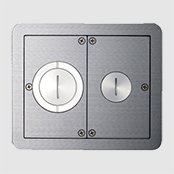
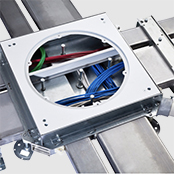
Common Floor Box FAQs
Learn more about floor boxes.
What is a floor box?
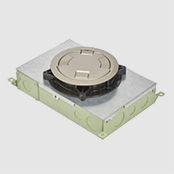
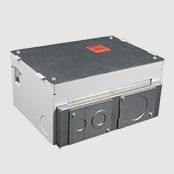
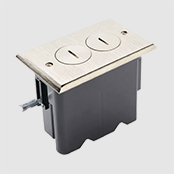
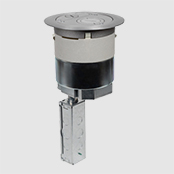
A floor box is an electrical outlet box installed on the floor to provide power, data, and audio/visual connections. It is designed to blend seamlessly into the flooring, providing a clean and efficient way to deliver utilities to any location within a room. Floor boxes are commonly used in commercial buildings, offices, schools, and residential properties where access to power and data is required away from walls.
What is the difference between a floor box and a poke thru?
The primary difference between a floor box and a poke-thru is their installation and application. Floor boxes are installed within the floor structure and can be placed almost anywhere in the room. Poke-thrus, on the other hand, are designed to be installed in existing concrete floors and provide a through-floor connection from one level to another. Poke-thrus are often used in multi-story buildings for bringing power and data from one floor to another, while floor boxes are typically used within a single level.
What is the purpose of a floor box?
The primary purpose of a floor box is to provide easy and discreet access to electrical power and data connections where they are needed most. This allows for the flexible arrangement of furniture, workstations, and equipment without the clutter of visible wires and cables. Floor boxes help maintain a clean, organized look while ensuring that essential utilities are readily accessible.
What are the benefits of using floor boxes?
- Aesthetic Integration: Floor boxes are designed to blend into the floor, maintaining a clean and professional appearance.
- Flexibility: They allow for versatile room layouts and can be positioned wherever power and data access are needed.
- Safety: By keeping cables hidden, floor boxes reduce the risk of tripping hazards and improve overall safety.
- Convenience: They provide easy access to power and data connections, simplifying the setup of electronic devices and equipment.
What size floor box do I need?
The size of the floor box you need depends on several factors, including the type and number of connections you require, the space available in the floor, and the specific application. It’s important to consider the capacity of the floor box to ensure it can accommodate all the necessary wiring and connections. Consulting with an electrical engineer or a professional installer can help determine the right size for your needs.
How do I install a floor box?
Installing a floor box typically involves the following steps:
- Planning: Determine the location and layout of the floor box, considering access to existing electrical wiring and data cables.
- Cutting the Floor: Cut an opening where the box will be installed. This step may require special tools and should be done carefully to avoid damaging the surrounding area.
- Installing the Box: Place the floor box into the opening and secure it according to the manufacturer’s instructions.
- Connecting the Wires: Connect the electrical and data wires to the terminals inside the box. Ensure all connections are secure and comply with local electrical codes.
- Finishing: Install the cover plate and any finishing accessories to complete the installation, ensuring it blends seamlessly with the floor surface.
What types of floor boxes are available?
There are several types of floor boxes available to suit different applications and flooring types, including:
- Concrete Floor Boxes: Designed for installation in concrete floors, these boxes are robust and durable, ideal for heavy-duty applications.
- Fire Classified Floor Boxes: These boxes are built to meet specific fire safety standards, ensuring they can withstand high temperatures and prevent the spread of fire through floor openings.
- Raised Floor Boxes: Used in raised flooring systems, these boxes can be easily repositioned to accommodate changing layouts.
- Wood Floor Boxes: Specifically designed for installation in wooden floors, these boxes provide a secure and stable connection.